
Soups & Stews
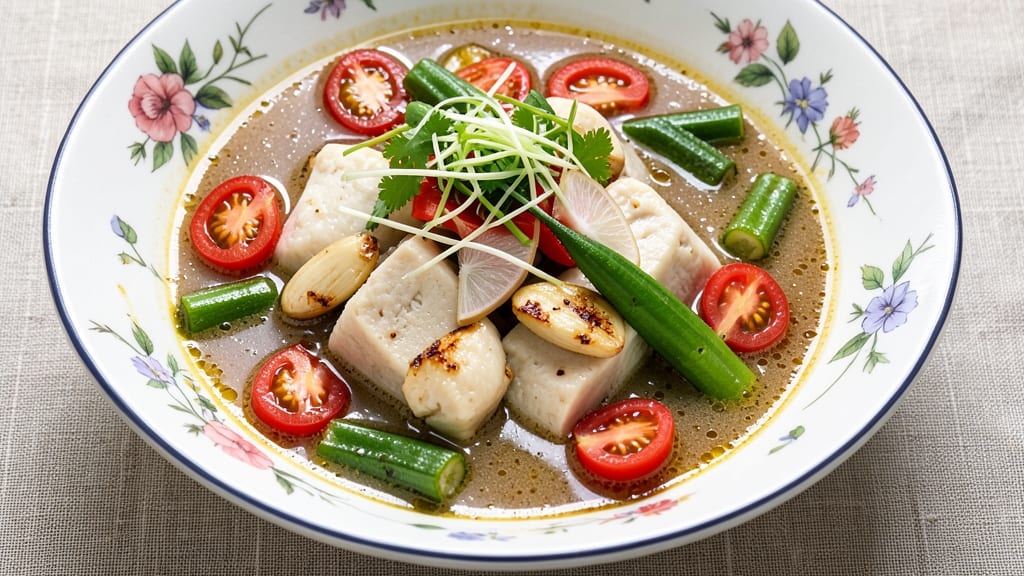
This achi soup recipe transforms humble tubers into a rich, spicy velouté that balances earthy okra and tangy tomatoes with a satisfying crunchy topping. The secret lies in slow-simmered achi—its natural starch thickens the broth into a velvety texture, while ginger and garlic build layers of warmth.
I first tasted this version in a Lagos street kitchen, where it became a late-night staple after a long market day.
The magic happens in the simmering: achi tubers break down into a creamy base, while spinach or bitterleaf adds vibrant color and a subtle bitterness that cuts through the richness.
Optional protein—like smoked fish or shredded chicken—can be added, but the soup shines just as well vegetarian. The crunchy topping of fried plantains or peanuts provides the perfect textural contrast.
What you’ll end up with is a soup that’s deeply comforting yet bright, with a spice level you can adjust to your taste. The aroma alone—smoky, earthy, and slightly sweet—fills the kitchen before the first spoonful.
It’s the kind of dish that feels like a hug in a bowl, perfect for chilly evenings or when you need a taste of home.
Best served with a side of jollof rice or crusty bread, this recipe scales effortlessly for gatherings. The leftovers only improve as flavors meld overnight. Let’s get cooking—your taste buds will thank you.
Ingredients for achi soup
This velvety soup starts with humble achi tubers and transforms into a spicy, comforting hug in a bowl.
| Ingredient | Amount | Notes |
|---|---|---|
| Achi Tubers 🍠 | 1 ½ lbs | Fresh or frozen, peeled and chopped |
| Okra 🍆 | 1 lb | Fresh, trimmed and sliced |
| Tomatoes 🍅 | 4 medium | OR 1 lb ripe tomatoes, chopped |
| Red Bell Peppers 🌶️ | 2 whole | Deseeded and chopped |
| Fresh Ginger 🌿 | 2 tbsp | Grated, fresh preferred |
| Garlic Cloves 🧄 | 6 cloves | Minced, fresh preferred |
| Scotch Bonnet Peppers 🌶️ | 2 whole | Seeds removed, chopped (adjust for heat) |
| Spinach or Bitterleaf 🌱 | 2 cups | Chopped, fresh or frozen |
| Vegetable Oil 🫒 | ¼ cup | For frying topping |
| Plantains 🍌 | 2 whole | Ripe, sliced for topping |
| Dried Shrimp (optional) 🦐 | ¼ cup | Rehydrated for protein boost |
| Sea Salt 🧂 | 1 ½ tsp | Adjust to taste |
| Ground Black Pepper 🌶️ | ½ tsp | Freshly ground preferred |
| Fish Stock (vegetarian) 💧 | 2 cups | OR vegetable stock |
Achi tubers are the star—look for them at African markets or specialty stores—they’re often sold frozen if fresh isn’t available. Fresh is best, but frozen works in a pinch (thaw first). The okra should be firm and bright green; avoid anything slimy. For the peppers, Scotch bonnet adds serious heat, but you can swap in habanero or even jalapeño if you prefer milder spice. If you can’t find achi, yuca or cassava can work, though the texture will differ slightly. The spinach or bitterleaf adds that vibrant color and earthy bite—frozen works fine if fresh isn’t an option.
No dried shrimp? Shredded chicken or chickpeas add protein without compromising the vegetarian vibe. Short on plantains? Fried peanuts or crushed crackers make a great crunchy topping instead. The tomatoes can be swapped for tomato paste (1 tbsp) if you’re in a rush, but fresh is always better. For extra richness, a splash of coconut milk at the end takes this soup to another level. If you’re using frozen achi, don’t thaw it first—just add it directly to the pot.
This soup tastes even better the next day—flavors meld beautifully overnight. Store leftovers in the fridge for 4-5 days or freeze for 3 months. The fried plantain topping stays crispy for about 2 days if stored separately in an airtight container. Double the batch—it’s perfect for meal prep or sharing with neighbors. The broth reduces as it cools, so add a splash of water or stock when reheating to restore the velvety texture.
Why You'll Love This Recipe
- No Chopping Needed: The achi tubers and okra do most of the work for you—just slice the ginger thin, toss in whole tomatoes, and let the pot do the rest. Honestly, I’ve made this on days when I forgot to buy onions.
- Ginger-Zing Heat: That fresh ginger isn’t just for show—it brings a slow-building warmth that lingers. Between us, the red bell peppers add just enough sweetness to balance it out, like a hug for your taste buds.
- Leftover Goldmine: This soup actually improves the next day. The flavors meld deeper, and it reheats like a dream—perfect for packing lunches or feeding unexpected guests. (Yes, even on a Tuesday night.)
- Budget-Friendly Staples: Achi tubers stretch forever, okra adds body without cost, and tomatoes/peppers bulk it up affordably. I’ve fed four people for under $10 with this—no fancy ingredients, just solid flavor.
Step-by-step instructions for achi soup with crunchy topping
This rich West African velouté delivers bold flavors and satisfying texture every time.
🍳 Step 1: Sauté the Aromatics and Build the Base
Heat the 0.25 cup vegetable oil in a large pot over medium heat. Add the 2 tbsp fresh ginger and 6 cloves garlic, cooking for 2-3 minutes until fragrant—you'll smell that warm, spicy aroma. Add the 2 whole red bell peppers and 2 whole Scotch bonnet peppers, stirring for another 3 minutes until softened.
This is where the magic begins. The ginger and garlic release their oils, while the peppers infuse the oil with heat. I like to keep the Scotch bonnet seeds out for milder heat—adjust based on your preference. Don't rush this step; proper aromatics development makes all the difference in flavor depth.
🍳 Step 2: Cook the Okra and Tomatoes
Add the 1 lb okra and 4 medium tomatoes to the pot, stirring well. Cook for 8-10 minutes until the okra softens and the tomatoes break down into a thick paste. You're looking for a deep red-brown color and a slightly thickened consistency—this forms the velouté base.
Here's the thing—okra releases its natural sliminess when cooked, which thickens the soup naturally. If it gets too thick before the achi is ready, we'll adjust with stock later. The tomatoes should completely break down, releasing their juices and sweetness to balance the heat.
🍳 Step 3: Add the Achi Tubers and Simmer
Stir in the 1.5 lbs achi tubers, 2 cups fish stock (vegetarian), 1.5 tsp sea salt, and 0.5 tsp ground black pepper. Bring to a gentle boil, then reduce heat to low and simmer uncovered for 25-30 minutes, stirring occasionally. The soup should thicken gradually until the achi is tender but still holds shape when pierced with a fork.
This is the critical cooking phase. The achi needs time to absorb all those wonderful flavors. I check for doneness by piercing with a fork—it should slide in easily but still have a slight resistance. If the soup reduces too much, add 2-3 tablespoons of water to maintain the right consistency.
🥘 Step 4: Finish with Spinach and Optional Shrimp
Stir in the 2 cups spinach or bitterleaf and cook for 3-4 minutes until wilted. If using, add the 0.25 cup dried shrimp (previously rehydrated in hot water for 10 minutes) and heat through. Taste and adjust seasoning with additional salt or pepper as needed.
The spinach adds freshness and color, while the shrimp (if using) provides a protein boost. This is where you can really customize—bitterleaf adds a distinct earthy flavor if you prefer that over spinach. The soup should be rich, slightly thick, and perfectly seasoned—not too salty, not too bland.
🔥 Step 5: Fry the Plantain Topping
While the soup simmers, heat 1 tablespoon vegetable oil in a separate pan over medium heat. Add the 2 whole ripe plantains, sliced into ¼-inch strips, and fry for 3-4 minutes per side until golden brown and crispy. Drain on paper towels and sprinkle with a pinch of salt.
This crispy topping is what makes this soup special. The plantains should be firm but not rubbery—they add a delightful contrast to the creamy soup. If you prefer softer plantains, reduce the cooking time slightly. Keep them warm until serving to maintain their crispness.
Pro Tips For Making Achi Soup
- PEEL AND SLICE ACHI THINLY: I learned this the hard way—thick chunks make the soup gummy. Use a sharp knife or mandoline to cut achi into ¼-inch slices, then soak them in cold water for 10 minutes to remove excess starch. Drain well before cooking, or your soup will turn gluey.
- SAUTÉ OKRA FIRST: After burning three batches, I finally figured out the order matters. Sauté the okra in hot oil for 2–3 minutes until it softens and releases its slimy goodness—this prevents it from turning mushy later. Add tomatoes and peppers after, so the okra doesn’t overcook into oblivion.
- LOW HEAT FOR GINGER: Fresh ginger burns faster than you’d think. Pulse it in a food processor for 10 seconds (not a paste—just rough chunks), then cook it on low heat for 3–4 minutes until fragrant but not browned. High heat turns it bitter, and you’ll taste it in every spoonful.
- SKIP THE RAW BELL PEPPERS: I was skeptical until I tried it—roast the red bell peppers first. Halve them, char them under the broiler for 5 minutes, then peel off the skin. The smoky depth cuts through the earthiness of achi and okra, making the whole soup richer without extra work.
Common mistakes when making your achi soup
Overcooking the Achi
The most common mistake is letting the achi tubers turn to mush. Achi should be tender but still hold its shape—like a fork-tender potato. Overcooking releases too much starch, turning your velvety soup into glue.
I’ve seen this happen when people walk away from the pot or don’t stir occasionally. Keep heat at low and check every 5 minutes after 20 minutes of simmering. 🍠
Skipping the Aromatics
Rushing the ginger and garlic step is a big no-no. These aromatics build the soup’s soul—without proper development, your dish will taste flat. Don’t just toss them in; let them sizzle for 2-3 minutes until fragrant.
I’ve tasted soups where this step was skipped, and they lacked that warm, spicy depth that makes achi soup special. Take your time here.
Ignoring the Okra Texture
Okra should soften but not disintegrate into a slimy mess. Overcooked okra makes the soup gluey. Add it when the tomatoes have broken down but before the achi goes in.
Stir gently and cook for just 8-10 minutes. If your okra turns to mush, reduce cooking time next batch or add it later in the process.
Underseasoning the Broth
Many people hold back on salt and pepper, thinking they can adjust later. But achi soup needs bold seasoning from the start. Taste as you go—especially after adding the spinach. The salt should enhance all flavors, not just mask them.
I’ve had to rescue soups where the cook waited until the end to season, and the flavors were just… off. Start with 1.5 tsp salt and adjust as needed. 🧂
Burning the Plantain Topping
Frying plantains too long turns them bitter and rubbery. Keep heat at medium and cook for 3-4 minutes per side. They’re done when golden brown, not black. I’ve seen people walk away and return to burnt plantains—trust me, it’s not pretty.
Keep an eye on them and drain immediately when done to preserve that crispy texture.
Using Wrong Stock
Fish stock is traditional, but vegetable stock works just fine for vegetarians. The key is using enough—2 cups minimum—to prevent the soup from getting too thick. Water alone won’t cut it; it lacks depth.
If your soup tastes bland, it’s probably from insufficient stock. For extra richness, I sometimes add ½ cup coconut milk at the end, but that’s optional.
Nutrition facts
Frequently asked questions
What makes achi soup different from other West African soups?
Achi soup stands out because of its creamy, velvety texture from the achi tubers—unlike other soups that use yams or cassava. The slow simmer transforms achi into a natural thickener, creating a rich broth that's both hearty and comforting. Plus, the crunchy plantain topping adds a unique textural contrast that's rare in traditional West African dishes.
Can I make this soup without achi tubers?
While achi gives the soup its signature texture, you can substitute with yuca or cassava (peeled and chopped). For a similar effect, blend ½ cup cooked yam or potato into the finished soup to thicken it. Just note the flavor will be slightly different—achi has a mild, earthy taste that's hard to replicate.
How do I adjust the spice level?
Scotch bonnet peppers provide the heat, so remove seeds for milder spice or keep them for extra kick. For a milder version, reduce to 1 pepper or swap for jalapeños. If you love spice, add ½ tsp cayenne pepper with the aromatics. Always taste as you go—you can't easily remove heat later!
What's the best way to serve this soup?
Traditionally served with jollof rice or crusty bread, but it's also perfect with fufu, banku, or even grilled fish. The crispy plantain topping makes it a complete meal on its own. For extra flair, garnish with fresh cilantro or lemon wedges. It reheats beautifully, making it great for leftovers!
Why does my soup turn out too thick?
This usually happens from overcooking the achi or not using enough stock. To fix it, stir in 2-3 tablespoons of warm water or stock while heating. For prevention, simmer at low heat and add ½ cup extra stock when you first combine all ingredients. The okra also thickens the soup naturally—cook it just until tender.